Now Featuring 6hr & 2 Day Trauma Recovery Intensive
Healing Trauma. Restoring Balance. Rewiring Your Life. 707.918.0992
Personalized, trauma-informed therapy and coaching to help you overcome anxiety, grief, and emotional overwhelm.
Now Featuring 6hr & 2 Day Trauma Recovery Intensive
Personalized, trauma-informed therapy and coaching to help you overcome anxiety, grief, and emotional overwhelm.

At The MountainVue, we specialize in trauma‑informed therapy that combines evidence‑based techniques with a compassionate, individualized approach. Whether you are navigating anxiety, grief, PTSD, or significant life transitions, we are here to support and guide your healing journey every step of the way.
Our work integrates somatic therapy, EMDR, polyvagal theory, and mindfulness practices to address the mind, body, and nervous system. This holistic approach empowers you to restore balance, build lasting resilience, and reclaim a sense of well-being.
Each modality is tailored to meet your unique needs and support your healing process.
Our personalized consultation sessions provide expert guidance, clarity, and support as you navigate life’s challenges and transitions. Unlike traditional therapy, consultation focuses on collaboration and practical strategies tailored specifically to your goals—without the need for diagnosis or ongoing treatment.
Whether you’re seeking clarity on next steps, exploring coaching options, or looking for holistic well-being strategies, our discreet, exclusive consultations help you move forward with confidence and purpose.
Discover effective strategies to nurture your parenting skills and build stronger, more meaningful relationships with your children. We provide supportive guidance tailored to your family’s unique dynamics and needs.
Learn how to communicate effectively, resolve conflicts, and cultivate stronger, healthier relationships in all areas of your life. Our approach helps you create deeper connection and mutual understanding with those you care about.
Welcome to TheMountainVue- Mental Health Counseling, Psychotherapy and Consultation.
Experience mental health counseling in a safe space where you are seen, heard, believed and understood. You are not alone in navigating life's joys and struggles. Issues such as anxiety, depression, and stress can quietly take root, disrupting the balance between mind, body, and spirit, which can slowly unravel our sense of peace and dim the light within. You may feel lost or disconnected from yourself and those around you, uncertain about how to find relief, joy, and your way back to yourself. Through our psychotherapy services, we engage in compassionate connection to help make sense of what’s happening within. As understanding and safety grow, you can begin to regain your sense of self, rediscover your strengths, restore balance, and reconnect with the calm, capable, and resilient parts of yourself that have always been there.
I invite you to embark on a journey focused on your health and well-being. With our trauma-informed therapy, rediscover your power and strengths, reclaim your sense of self, and learn tools to move forward with purpose, healing, and resilience.
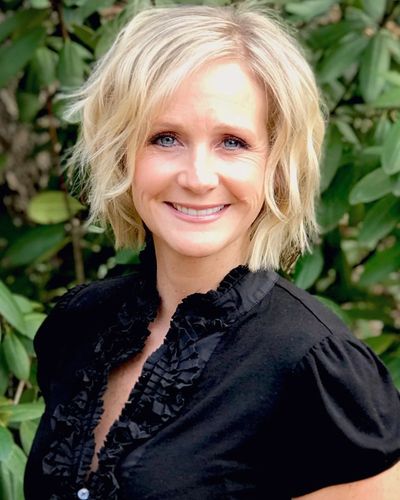
Deborah C. Kish


Healing Through Connection
Throughout our lives, we are shaped not only by the instinct to survive but also by the deep biological need for connection, co-regulation, purpose, joy, and love. Our body, brain, and soul are designed to move in harmony—woven together with ourselves and the world around us.
At TheMountainVue, I offer specialized psychotherapy services that create a unique relational space where healing unfolds. Here, you are invited to reconnect, rediscover, and redefine what health and wholeness mean for you. In this collaborative process, transparency, trust, and genuine connection are nurtured. Strengths are reawakened, resilience grows, symptoms ease, and hope for a purposeful life begins to thrive.
The therapeutic alliance is the heartbeat of this healing journey. Through mental health counseling, we listen to the wisdom of the body, uncovering answers and solutions that the mind alone cannot provide. This trauma-informed therapy approach ensures that your experiences are respected and integrated into the healing process.

I understand the multifaceted nature of every person—the vital connection between brain, body, and mind. By honoring each individual’s unique life story, we open a pathway for true healing. Healthy, reciprocal relationships fostered through mental health counseling allow us to feel seen, heard, understood, and deeply connected. Within psychotherapy services, the bond between client and therapist becomes the foundation of healing—promoting empathy, safety, co-regulation, and calm. Only when the nervous system feels regulated and grounded in safety can the healing process fully unfold.
This journey is both restorative and empowering. Through trauma-informed therapy, psychoeducation, expanding the window of tolerance, mindfulness, movement, and self-discovery, clients learn to engage with life in new ways. In and out of session, you are invited to explore relationships, deepen self-awareness, process and integrate life experiences, and develop practical skills to move toward your goals. Over time, clarity grows, resilience strengthens, and a renewed sense of purpose begins to guide your path forward.

I maintain a limited private practice offering psychotherapy, counseling, and integrative consultation for individuals seeking depth, discretion, and a sophisticated, whole-person approach to well-being. This work is grounded in the neurobiology of trauma and thoughtfully integrates top-down therapeutic insight with bottom-up, somatic practices to support regulation, clarity, and lasting change.

(Eye Movement Desensitization and Reprocessing) therapy is a structured form of mental health counseling designed to help individuals process and heal from traumatic experiences. By guiding clients through specific eye movements or other forms of bilateral stimulation, EMDR serves as an effective psychotherapy service that aids the brain
(Eye Movement Desensitization and Reprocessing) therapy is a structured form of mental health counseling designed to help individuals process and heal from traumatic experiences. By guiding clients through specific eye movements or other forms of bilateral stimulation, EMDR serves as an effective psychotherapy service that aids the brain in reprocessing distressing memories. This process reduces the emotional intensity of those memories and promotes adaptive coping strategies. As a trauma-informed therapy, EMDR is evidence-based and is frequently used to tackle trauma, anxiety, and other emotional challenges, allowing individuals to move toward greater resilience and emotional well-being.

Somatic therapy practices center on the understanding that the body holds and communicates experiences that words alone cannot fully access. Grounded in neuroscience and trauma research, these approaches gently integrate awareness of sensation, breath, movement, and nervous system regulation to support healing from stress and trauma. By w
Somatic therapy practices center on the understanding that the body holds and communicates experiences that words alone cannot fully access. Grounded in neuroscience and trauma research, these approaches gently integrate awareness of sensation, breath, movement, and nervous system regulation to support healing from stress and trauma. By working both top-down (cognitive insight) and bottom-up (bodily experience), somatic therapy helps restore a sense of safety, resilience, and embodied presence. Research demonstrates that somatic-based interventions can be highly effective in reducing trauma symptoms, improving emotional regulation, and supporting long-term well-being by addressing the root physiological patterns that keep individuals stuck.

Vagus nerve–informed therapy, grounded in Polyvagal Theory, focuses on restoring a sense of safety and balance within the nervous system. By understanding how the vagus nerve influences emotional regulation, connection, and stress responses, this approach uses gentle, body-based practices—such as breathwork, vocalization, mindful movement
Vagus nerve–informed therapy, grounded in Polyvagal Theory, focuses on restoring a sense of safety and balance within the nervous system. By understanding how the vagus nerve influences emotional regulation, connection, and stress responses, this approach uses gentle, body-based practices—such as breathwork, vocalization, mindful movement, and sensory awareness—to support nervous system regulation. Rather than forcing change, polyvagal-informed work helps the body shift out of survival states and into greater calm, clarity, and social engagement, fostering resilience, emotional flexibility, and a deeper sense of embodied safety over time.

Mindfulness, as a therapeutic technique, cultivates the capacity to observe thoughts, emotions, and bodily sensations with curiosity and compassion rather than judgment. Rooted in both contemplative traditions and modern neuroscience, mindfulness practices strengthen self-awareness and nervous system regulation, allowing individuals to re
Mindfulness, as a therapeutic technique, cultivates the capacity to observe thoughts, emotions, and bodily sensations with curiosity and compassion rather than judgment. Rooted in both contemplative traditions and modern neuroscience, mindfulness practices strengthen self-awareness and nervous system regulation, allowing individuals to respond to stress with greater clarity and choice. When integrated into therapy, mindfulness supports emotional regulation, reduces reactivity, and enhances resilience by helping individuals remain present with their internal experience while developing a deeper sense of grounding, balance, and psychological flexibility.

Trauma-Focused Cognitive Behavioral Therapy (TF-CBT) is an evidence-based approach designed to help individuals process and heal from the emotional and psychological impact of trauma. It integrates cognitive restructuring, emotional regulation skills, and gradual trauma processing to address how traumatic experiences shape thoughts, belie
Trauma-Focused Cognitive Behavioral Therapy (TF-CBT) is an evidence-based approach designed to help individuals process and heal from the emotional and psychological impact of trauma. It integrates cognitive restructuring, emotional regulation skills, and gradual trauma processing to address how traumatic experiences shape thoughts, beliefs, and behaviors. By supporting both safety and stabilization alongside meaning-making, TF-CBT helps reduce trauma-related symptoms, strengthen coping skills, and restore a sense of empowerment, resilience, and emotional clarity.

In therapy, particularly through my mental health counseling and psychotherapy services, I place a strong emphasis on providing psychoeducation about the experiences and symptoms you may be navigating. Understanding the “why” behind your thoughts, emotions, and bodily sensations can be deeply validating and reassuring. Learning how your n
In therapy, particularly through my mental health counseling and psychotherapy services, I place a strong emphasis on providing psychoeducation about the experiences and symptoms you may be navigating. Understanding the “why” behind your thoughts, emotions, and bodily sensations can be deeply validating and reassuring. Learning how your nervous system responds to stress or trauma, especially in the context of trauma-informed therapy, helps normalize your experiences and provides a clear, logical framework for what might otherwise feel confusing or overwhelming. This awareness not only fosters self-compassion but also supports nervous system regulation, creating a calmer, safer foundation from which healing can take place.
Trauma is any experience that overwhelms your ability to cope, make sense of, or articulate what has happened. In those moments, the body instinctively responds with fight, flight, fawn, or shutdown—natural survival responses designed to protect you. These traumatic experiences can leave lasting imprints on both brain and body, shaping how we perceive ourselves, others, and the world around us. Trauma significantly influences thoughts, emotions, and behaviors—sometimes consciously, but often in ways we don’t even realize. At its core, trauma disconnects and fragments our sense of self, shifting focus away from purpose, curiosity, and meaning, and pulling us into patterns of fear and survival. Seeking mental health counseling and engaging in trauma-informed therapy can facilitate healing, which is the process of restoring safety, reconnection, and wholeness through effective psychotherapy services.
Safety is not simply the absence of threat—it is the presence of connection, trust, and love. Feeling safe depends on the cues we receive from our environment and, most importantly, from the relationships around us. When safety is nurtured and reciprocated, healing becomes possible, particularly within the realm of mental health counseling.
At the most basic neurobiological level, our bodies are designed to protect and defend us. This natural survival response helps us navigate danger but also supports us in connection, work, and play. For individuals who have endured trauma, however, the nervous system can remain ‘stuck’ in survival mode. This imbalance often leads to chemical, hormonal, psychological, and physiological challenges that block our ability to feel calm, flexible, and stable, highlighting the need for trauma-informed therapy.
Understanding Trauma and PTSD for Lasting Recovery
Psychotherapy services play a crucial role in restoring balance by re-engaging the body–brain–mind connection. Through approaches such as bilateral stimulation, movement, music, and Vagus Nerve regulation, the body learns to send signals of safety and calm back to the brain. As the nervous system settles, processing can begin, opening the door to deeper healing.
The primary goal of therapy is helping you feel safe, connected, and regulated—because only in this state can true healing take root.
Narcissistic abuse is a form of emotional and psychological manipulation that erodes a person’s sense of self through cycles of idealization, control, devaluation, and blame. Survivors often internalize confusion, shame, and self-doubt, as the abuser distorts reality and undermines their autonomy over time. Recovery involves slowly reclaiming one’s inner voice—recognizing patterns of manipulation, reconnecting with the body’s signals of safety and danger, and rebuilding self-trust through supportive relationships and therapeutic work. As survivors learn to ground themselves, set boundaries, and heal their nervous system, they begin to restore the clarity, confidence, and connection that narcissistic abuse once disrupted.
When you’ve been living in survival mode, even the smallest shifts can feel overwhelming. Healing from narcissistic patterns begins with coming home to yourself—your sensations, your boundaries, your truth.You deserve a space where your body can soften, your breath can deepen, and your nervous system can finally settle. Reclaim you!

Nelson Mandela
Intake 90 min- $275
Individual Sessions 50 min- $175
Couples- 50 min- $175
6hr Intensive- $750
2 Day Intensive- $1500

The 6-hour Trauma Recovery Intensive is a focused, personalized session designed to help you begin healing from trauma in a safe and supportive environment. Through somatic techniques, nervous system regulation, and trauma-informed therapeutic practices, this intensive guides you in identifying and releasing patterns of dysregulation, restoring safety within your body, and building tools for emotional resilience. This deep, concentrated work provides a powerful foundation for ongoing recovery and renewed self-trust.

The 2-Day Trauma Recovery Intensive offers an immersive and supportive experience designed to deepen your healing journey. Over two focused days, you’ll engage in somatic practices, nervous system regulation, and trauma-informed therapy to gently unravel patterns of trauma and dysregulation. This extended time allows for deeper integration, increased safety, and the development of personalized tools to restore emotional balance, resilience, and a stronger connection to your body and self. It’s a compassionate space to move toward lasting recovery with intentional care.

The MountainVue offers a highly selective consultation and coaching practice for individuals drawn to an elevated, integrative model of well-being and personal growth. This work is non-clinical, holistic, and intentionally removed from diagnosis, treatment, or insurance-based care, allowing for a discreet and deeply personalized experience.
Engagement begins with a private screening and interview process designed to ensure mutual alignment, clarity of intention, and readiness for this level of individualized support. Availability is limited, and services are extended by invitation following this initial conversation.
This offering is well suited for those navigating pivotal life transitions, refining personal or professional direction, or seeking a grounded, whole-person approach to clarity, balance, and sustainable growth.
The body keeps the score- it remembers what the mind has forgotten. I believe healing begins with understanding — both of yourself and what you’ve been through. My passion lies in helping people make sense of their experiences, calm their nervous systems, and rediscover safety and connection. My goal is to help you find safety within your own body, clarity in your thoughts, and connection in your relationships. Healing is not about erasing the past — it’s about learning to live fully and freely in the present.
My path to becoming a therapist began with a deep curiosity about both the mind and the healing process. I first pursued nursing at the University of New Mexico before realizing my true passion was in understanding the emotional and psychological experiences that shape who we are. I earned my Bachelor of Science in Psychology and Biology, and later completed a Master of Arts in Christian Counseling at Gordon-Conwell Theological Seminary, where I focused on integrating psychology and faith to support holistic healing.
As a Licensed Clinical Mental Health Counselor and Nationally Certified Counselor, I specialize in grief, trauma, attachment issues, addiction, anxiety/depression and co-occurring disorders. My approach integrates neuroscience, mind-body techniques, and evidence-based therapies such as EMDR, Polyvagal Theory, Internal Family Systems, and Somatic Therapy to support deep, lasting change.
At MountainVue Counseling, I offer a calm and compassionate space where you can move at your own pace, guided by curiosity and care. Healing isn’t about erasing the past — it’s about reclaiming your ability to live fully in the present.
I would be honored to walk alongside you on your journey toward healing and wholeness.


Individual/Couples/Group Sessions
14404 Rhiannon Lane Suite #1 Huntersville, NC 28078 themountainvue@icloud.com debbie@themountainvue.com +1.704918.0992
Today | By Appointment |

We use cookies to analyze website traffic and optimize your website experience. By accepting our use of cookies, your data will be aggregated with all other user data.